Chinese New Year, also known as the Spring Festival, is the most celebrated holiday across the Chinese-speaking world — a time filled with rituals, symbolism, and deep cultural meaning. Beyond the red décor and festive feasts, every tradition carries centuries of belief in luck, prosperity, and renewal. Here are eight you should know — and what they truly mean.
1. Cleaning the House: Sweeping Away Bad Luck
Before the new year begins, families thoroughly clean their homes. This act symbolizes sweeping away misfortune from the past year and making space for incoming blessings. However, cleaning must be done before the first day; sweeping during the festival may remove newly arrived luck.
2. Decorating in Red: A Color of Protection
Red dominates the festival’s color palette because it represents good fortune and wards off evil spirits. From red paper couplets on doors to lanterns and clothing, the color conveys strength, happiness, and vitality — essential energies for a positive year ahead.
3. Reunion Dinner: The Heart of the Celebration
On New Year’s Eve, families gather for a lavish reunion dinner (“nian ye fan”). Signature dishes like fish (signifying abundance), dumplings (representing wealth), and rice cakes (symbolizing growth) are served, uniting generations around shared blessings.
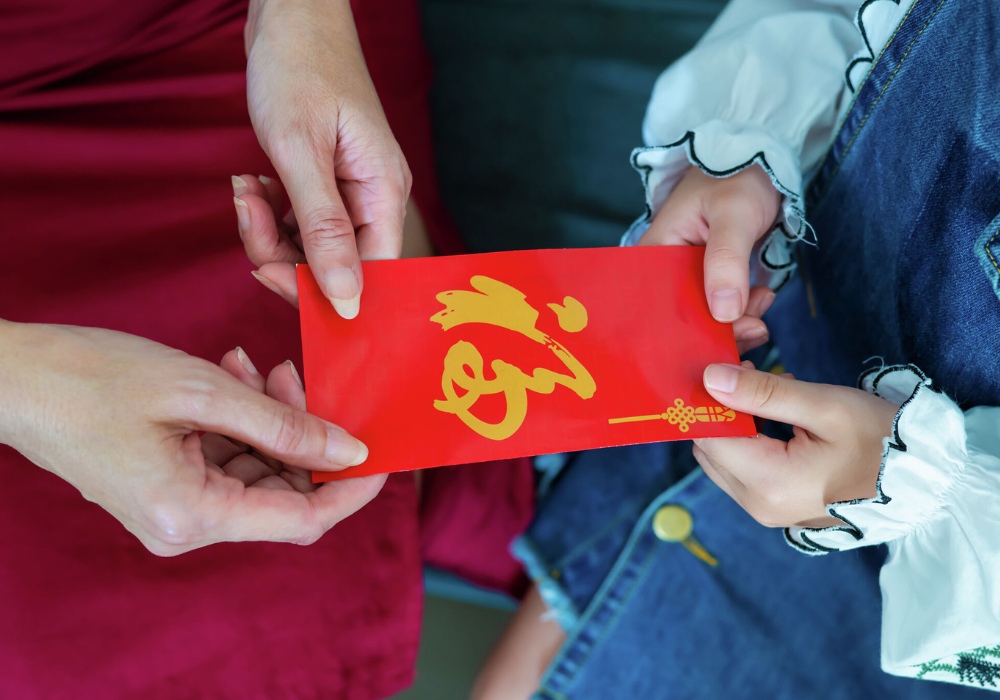
4. Red Envelopes: Passing on Prosperity
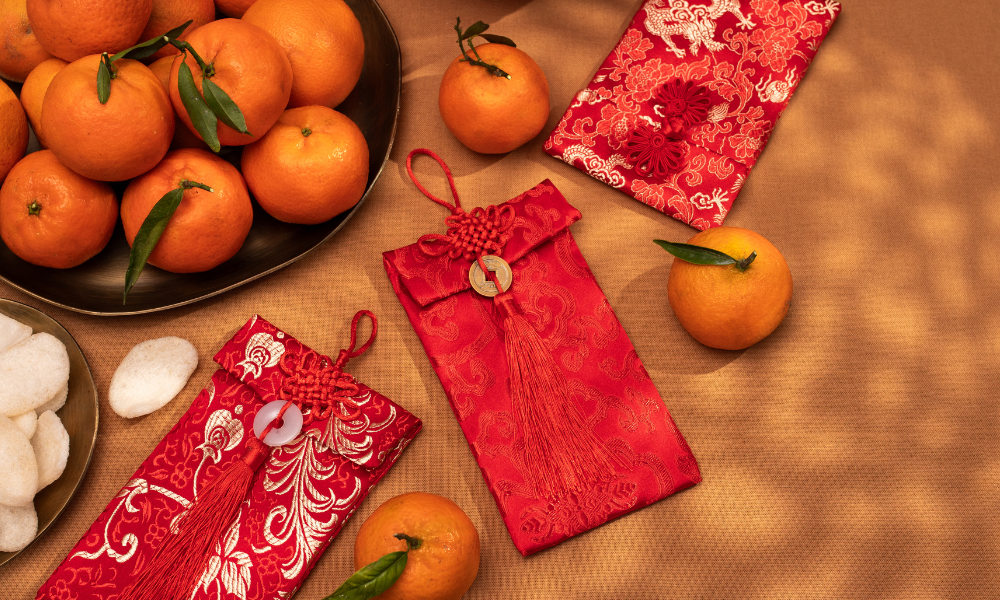
Elders gift red envelopes (“lai see” or “hongbao”) to younger family members, filled with money to wish them health and success. The practice isn’t about the amount but about transferring good fortune across generations.
5. Firecrackers and Fireworks: Scaring Away Evil
Originating from the legend of “Nian,” a monster frightened by loud noises and bright lights, firecrackers symbolize driving away negativity. Today, they also express celebration, heralding the sound of a thriving new year.
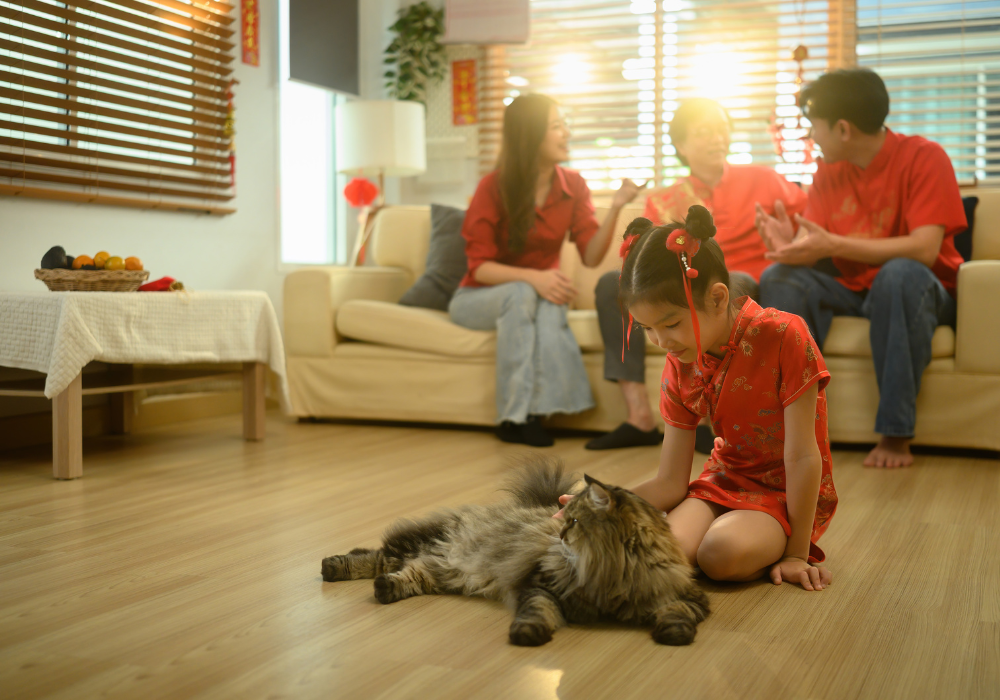
6. Visiting Relatives: Strengthening Bonds
New Year’s visits (“bai nian”) allow families and friends to reconnect. Greetings like “Gong Hei Fat Choi” express good wishes and strengthen community ties, reinforcing harmony and respect.
7. Wearing New Clothes: A Fresh Start
Wearing new, often red, clothes symbolizes renewal and the hope for better fortune. It reflects leaving behind old troubles and starting the year with rejuvenated energy.
8. Offering Sacrifices and Prayers: Honoring Ancestors
Many families honor ancestors through offerings of food and incense, showing gratitude and respect for those who came before — ensuring blessings continue through the generations.Together, these traditions capture the essence of Chinese New Year: a joyful harmony between past and future, gratitude and hope, family and prosperity.
Read more:
-
Valentine’s Day Gift Guide: Find the perfect gift this Valentine’s Day—from chic fashion and artisan sneakers to skincare luxuries and inspired collaborations.
-
3 Places in Hong Kong to Reflect, Reset, and Welcome the New Year: From Tsz Shan Monastery’s tranquil courtyards to Victoria Peak’s breathtaking views and Repulse Bay’s calming waves, discover where to reset and begin anew in Hong Kong.