
Managing money wisely isn’t just about making more—it’s about making smarter choices with what you already have. Whether you’re starting your first job, planning for a big purchase, or simply wanting more financial peace of mind, learning how to save and invest is crucial for long-term stability and growth.

The first step toward financial health is understanding your spending. Track where your money goes each month—housing, food, entertainment, subscriptions, and savings. This helps you identify unnecessary expenses and redirect that money toward your goals. A simple rule many people use is the 50/30/20 method: allocate 50% of your income to needs, 30% to wants, and 20% to savings or debt repayment. While the percentages can flex depending on personal circumstances, the principle encourages balanced financial discipline.
Once you’ve built good saving habits, the next step is protecting and growing your money. Emergency savings act as a safety net for unexpected costs like medical bills or job changes. Experts typically suggest keeping enough to cover three to six months of living expenses in an easily accessible account. This cushion prevents you from relying on credit cards or loans during tough times.
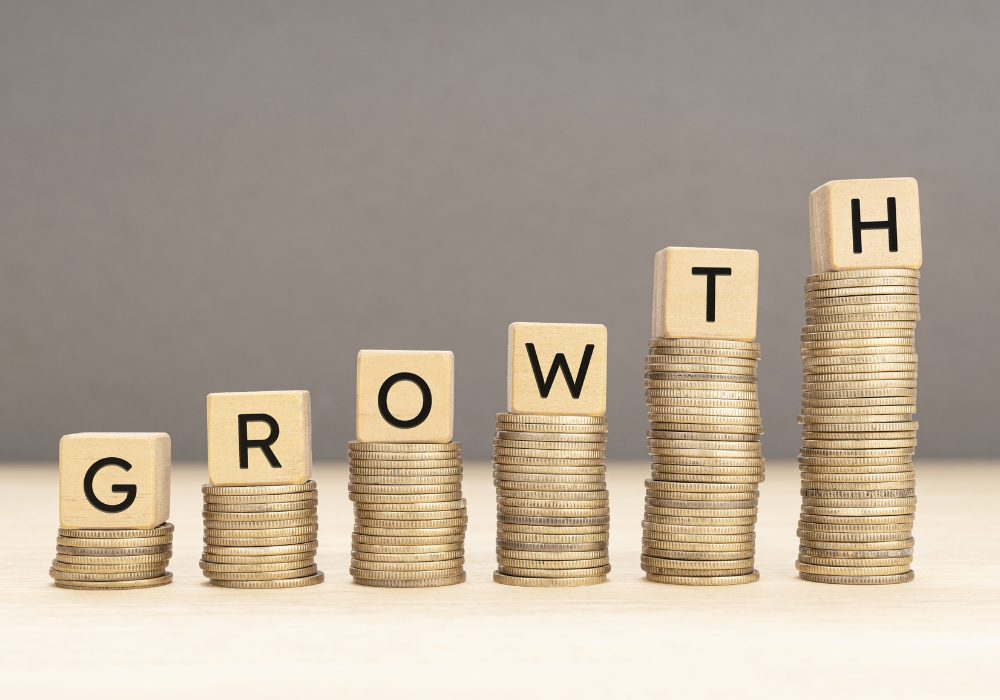
Investing, meanwhile, helps your money work for you. Unlike savings—where the focus is safety and liquidity—investing involves risk, but it also offers higher potential returns. Common options include stocks, bonds, index funds, and exchange-traded funds (ETFs). Diversifying your investments across different asset types reduces risk and smooths out market fluctuations. Even small, consistent investments made early can grow significantly over time thanks to compound interest, where your returns earn returns of their own.
It’s also important to define your goals before you invest. Are you saving for retirement, education, or property? Setting timelines and risk tolerance levels helps shape your investment choices. For example, someone planning to buy a home in three years might choose conservative assets, while a younger investor saving for retirement might take on more risk for potentially higher long-term growth.
Finally, financial education is an ongoing journey. Learn from reputable sources, use budgeting apps, and consider speaking to certified advisors for personalized guidance. The earlier you develop good money habits, the greater your ability to secure a comfortable, independent future.
Smart money choices begin with awareness and consistency. With thoughtful saving and disciplined investing, financial freedom isn’t just a dream—it’s a plan in action.