Amid the vibrant flurry of red lanterns, family banquets, and lion dances that mark the Lunar New Year in Hong Kong, one particular day invites an unexpected slowdown. The third day of the festival, known as chi kou (赤口) or “red mouth,” stands out not for exuberance, but for caution. Rooted in superstition and tradition, chi kou serves as a timely pause in the midst of celebration — a quiet interlude before the festivities march on.
The Meaning of Chi Kou
Traditionally, chi kou is regarded as an unlucky day. The term “red mouth” is believed to foretell quarrels and arguments, giving rise to the widespread custom of avoiding social visits. To sidestep the risk of disagreements, many families prefer to stay home, turning the day into an occasion for quiet rest. In a sense, it’s a cultural safeguard that reflects both ancient belief and modern sensibility.
Mythological Origins
Legends add an extra layer of meaning to the day. Chi kou is sometimes called “Scarlet Dog Day,” linked to the temperamental God of Anger. According to folklore, encountering this deity could bring misfortune, reinforcing the idea that social interactions should be minimized. Over the generations, the myth evolved into a gentle observance, blending respect for tradition with a dose of practical mindfulness.
How People Spend the Day
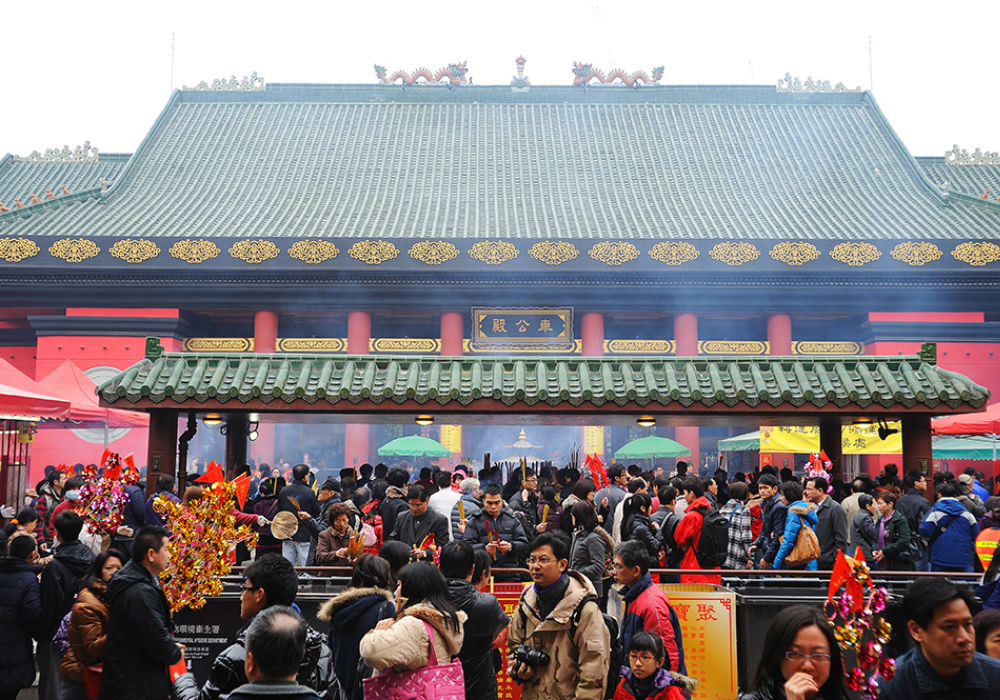
For many in Hong Kong, chi kou has become a chance to embrace stillness or personal rituals. Some follow the old saying “sleep all you need on the third,” taking it as a welcome cue to rest and recharge. Others visit Che Kung Temple to pray for blessings and good fortune, or head to Sha Tin Racecourse, where special Lunar New Year races and prizes inject festive excitement into an otherwise subdued day. Outdoor lovers might choose to go hiking, making the most of the crisp seasonal weather and the city’s scenic trails. Together, these activities express a gentle balance between renewal, reflection, and recreation.
Other Auspicious Days
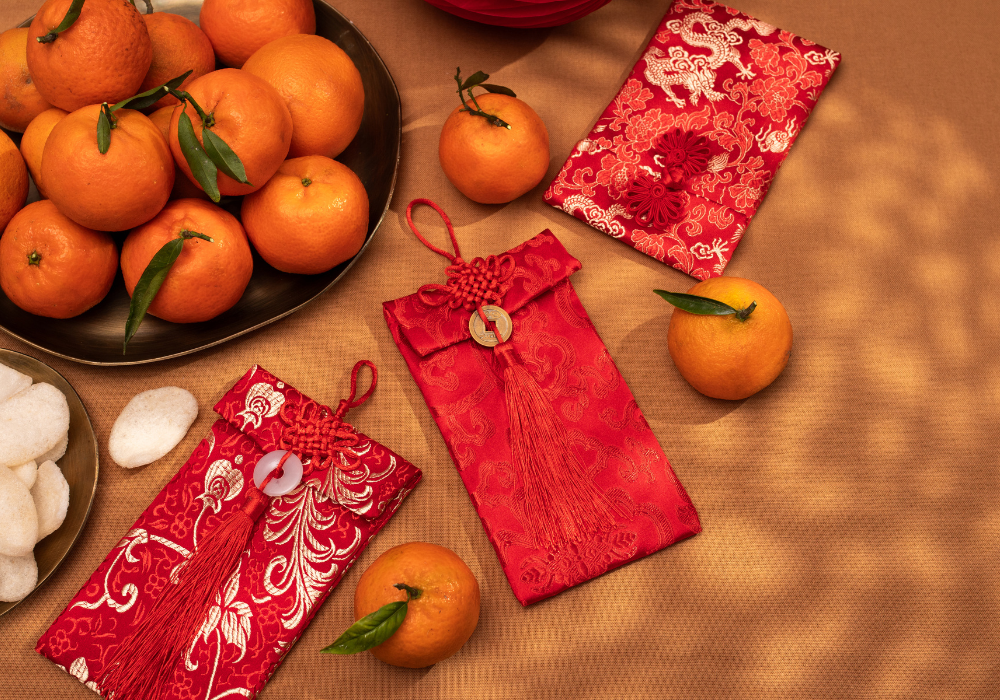
Beyond chi kou, each day of the Lunar New Year carries its own significance. The fifth day is known as the birthday of the God of Fortune, when people leave doors and windows open to welcome prosperity. The seventh day, ren ri (人日), celebrates “everyone’s birthday,” a time for cheerful greetings exchanged among family and friends. The fifteenth day, marking the Lantern Festival, brings the season to a glowing finale with colourful lantern displays and sweet glutinous rice balls symbolizing reunion and harmony.
A Cultural Pause
After two energetic days of family gatherings, chi kou offers a collective deep breath — a moment to slow down before the celebrations resume. Though steeped in superstition, the tradition resonates strongly with today’s fast-paced world, reminding us of the value of rest amid joy. In the heart of Hong Kong’s Lunar New Year, chi kou endures not as a day of misfortune, but as a graceful interval of calm, introspection, and renewal.