
Every child learns differently — yet many families still feel pressured to follow the same academic route.
In today’s fast-changing world, education is no longer one-size-fits-all. Beyond grades and exam scores, parents are asking a more important question: What kind of learning environment will truly help my child thrive?
Choosing the right learning path isn’t about finding the “best” school or programme. It’s about finding the right fit — one that nurtures your child’s strengths, curiosity, and confidence. Here’s how to approach the decision with clarity and purpose.
Start with Your Child, Not the System
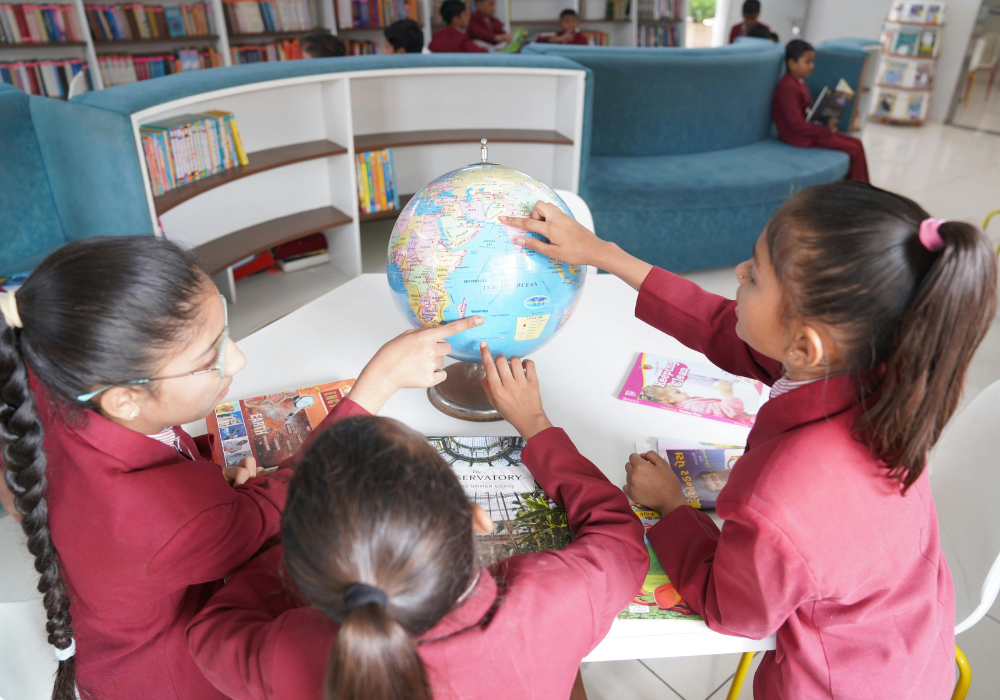
Before comparing curriculums or schools, pause and observe your child.
Ask yourself:
- Do they learn best through structure or exploration?
- Are they independent or do they prefer close guidance?
- Do they thrive in social settings or smaller groups?
- What subjects or activities naturally excite them?
A creative child may flourish in project-based or inquiry-led environments.
A child who values routine might feel safer in a more traditional academic structure.
Understanding their personality and learning style gives you a stronger foundation than simply chasing rankings.
Look Beyond Academics

Grades matter — but they aren’t everything.
Modern education places increasing importance on “future-ready” skills such as:
- Critical thinking
- Communication
- Creativity
- Emotional intelligence
- Resilience
When evaluating programmes, consider:
- How do students collaborate?
- Are they encouraged to ask questions?
- Is there room for arts, sports, and personal interests?
- Does the environment support well-being?
A balanced education helps children grow not just as students, but as people.
Explore Different Learning Approaches

Families today have more options than ever:
- Traditional curriculum
Structured, exam-focused, clear benchmarks — ideal for students who prefer routine and measurable goals. - Inquiry or project-based learning
Encourages curiosity, hands-on exploration, and problem-solving — great for independent and creative thinkers. - International or global programmes
Broader perspectives, multicultural exposure, and transferable skills for families considering overseas pathways. - Online or hybrid learning
Flexible schedules and personalised pacing, suitable for self-motivated learners.
Each approach has strengths. The key is matching the method to your child’s needs and your family’s values.
Talk to Teachers and Other Parents

Conversations often reveal what brochures cannot.
Ask educators:
- How do you support different learning styles?
- How do you handle challenges or setbacks?
- How do you communicate with parents?
Hearing from other families can also offer honest insights into daily experiences and school culture. Sometimes, the “feel” of a place matters just as much as the facilities.
Remember: Paths Can Change
Perhaps the most reassuring truth is this — no decision is permanent.
Children grow. Interests shift. Needs evolve. What works at age six may not work at twelve.
Choosing a learning path isn’t about getting it perfect the first time. It’s about staying flexible, listening to your child, and adjusting along the way.
The Bottom Line
At its heart, education should spark confidence, curiosity, and joy. When children feel supported and understood, they don’t just perform better — they develop a lifelong love of learning. And that may be the most valuable lesson of all.
Read more:
-
February’s Education News Roundup: From new dining innovations to inspiring author visits and Model UN success, schools across Hong Kong are redefining learning beyond the classroom.
-
N-Class Nurseries in Hong Kong: Hong Kong’s preschools blend Eastern and Western approaches, offering bilingual, inquiry-based learning that nurtures creativity, confidence, and global awareness in young children.