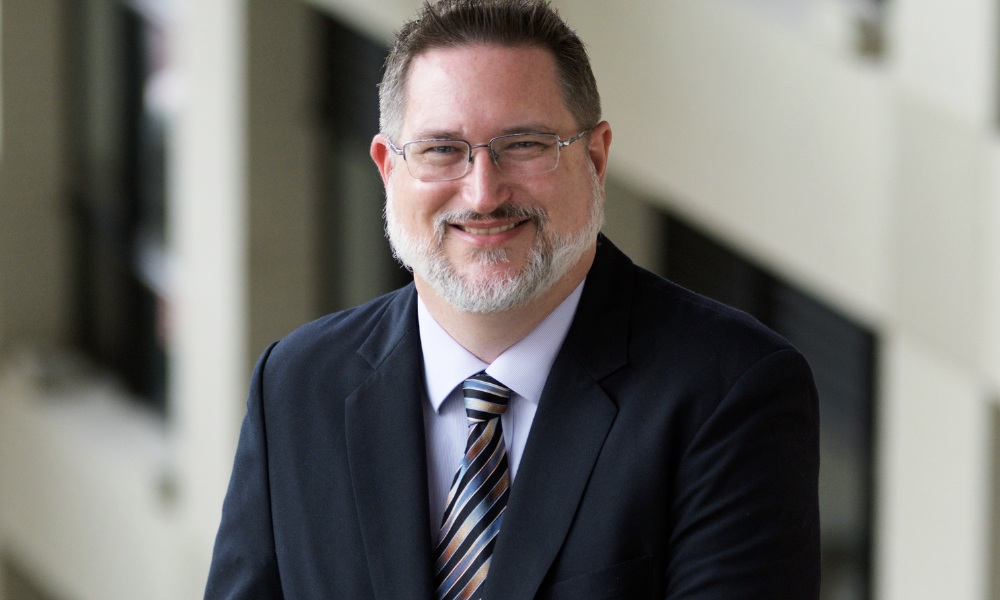
Ritzy Principal’s Office: Dr. David Butler, the Upper School Principal at Canadian International School of Hong Kong

1. How have your experiences from your educational background in Ontario and your time at Dhahran High School influenced your leadership approach at CDNIS?
My educational experiences in Ontario and at Dhahran High School have greatly shaped my leadership at CDNIS. Ontario’s progressive, research-based education emphasizes authentic measures of student learning and encourages students to take ownership of their educational journeys. I am excited to champion these concepts in my leadership. My initial administrative role at Dhahran taught me the importance of building personal connections with teachers, students, and parents to foster trust in the school’s mission. I also learned the value of addressing issues promptly to prevent them from escalating, cultivating a reputation for action and efficiency that I strive to uphold at CDNIS.
2. With two master’s degrees and an EdD, how have your studies influenced your approach to educational leadership, especially in an international setting like CDNIS?
With two master’s degrees and an EdD, my academic studies have highlighted the significance of context in educational leadership. Approaches that work in one region may not succeed elsewhere. My research deepened my understanding of Hong Kong’s unique history and the perspectives of Confucian-heritage families regarding education. This, combined with my personal experiences, has helped me become a more culturally responsive leader, better equipped to meet our community’s diverse needs.
3. How do you foster a positive and inclusive school culture at CDNIS, and what role do you believe that culture plays in student success?
I am fortunate to work with a dedicated team that champions the concept of “Belonging.” Our community is united in ensuring that every student and family feels welcome and safe to express themselves at CDNIS. Families celebrate their heritage, while student-led activities allow all kids to explore diverse passions. Initiatives like Universal Design for Learning and Multi-Tiered Systems of Support ensure all students can access the curriculum. Given our diverse student body, we are committed to offering a variety of programs and pathways to success, helping our students achieve their ambitious goals.
4. You mention the importance of blending academic rigor with the joy of learning. Can you give examples of how you achieve this in the curriculum or through extracurricular activities?
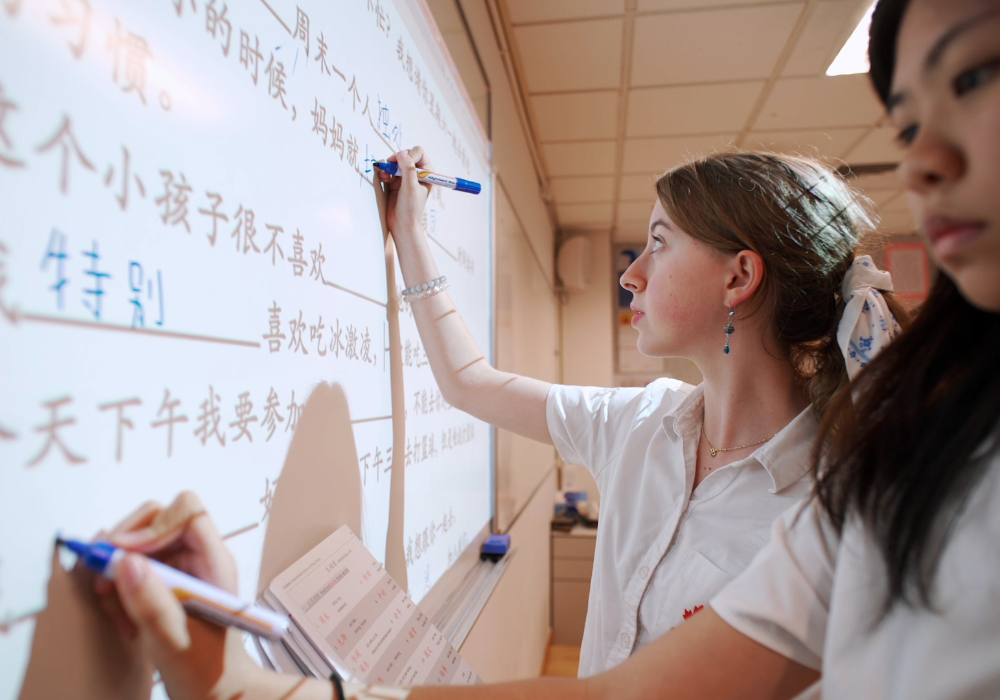
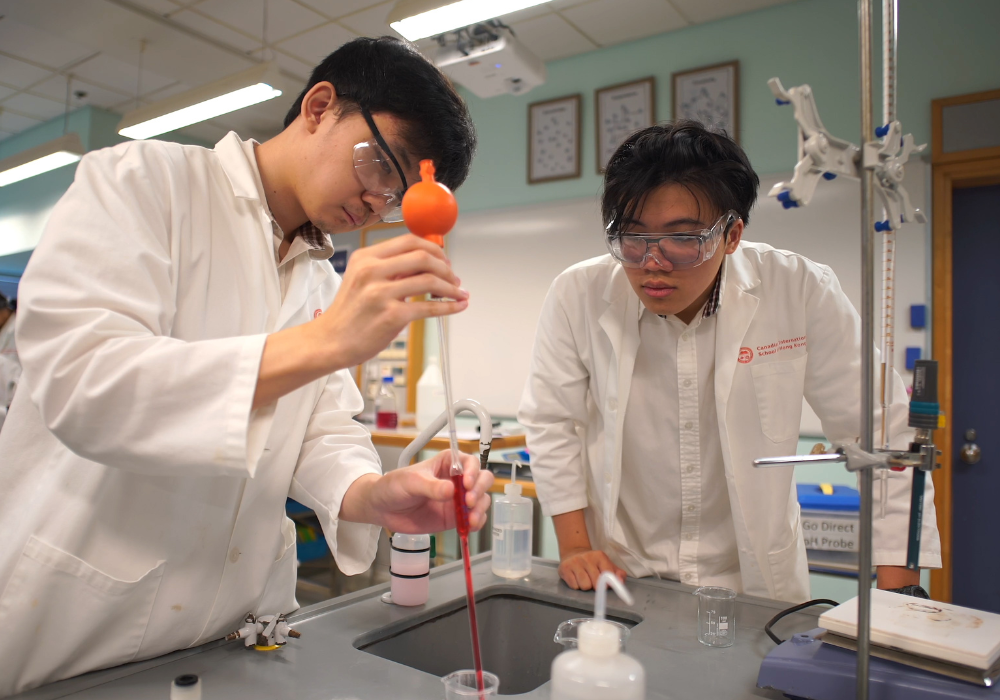
In our community, there’s a belief that schools must choose between being competitive institutions pushing academic excellence or friendly environments that prioritize wellness. I reject this dichotomy. At CDNIS, we strive to create a joyful learning experience that inspires intellectual curiosity and confidence in our students. For example, a high school math teacher tasks students with using AI to create songs based on key mathematical concepts for test preparation, while a middle school English teacher uses popular horror movie clips to teach literary analysis. This approach emphasizes deep learning and critical thinking, making education exciting and leaving students eager to learn more.
5. In what ways do you promote collaboration and transparency among teachers, students, and parents at CDNIS?
Collaboration is a key 21st-century skill essential for student preparation in the future economy. Our academic programs require students to engage in collaborative activities—be it through research, debate, or community action. We also encourage collaboration among teachers, who plan units together and grade common assessments to ensure consistency. This fosters professional growth and fairness for students and parents alike. For instance, when predicting IB scores, our teachers strive to provide optimistic yet realistic forecasts, shared with families in June of Year One of the Diploma Programme. This transparency helps families frame their expectations for university applications.
6. As education continues to evolve, how do you ensure that both students and staff are prepared to adapt to changing educational landscapes?
We continue to promote student agency, conceptual learning, and real-world applications in our teaching to prepare students as self-motivated and agile thinkers. Additionally, we emphasize social-emotional learning, character development, and the importance of public service. It’s not enough for our graduates to be tomorrow’s leaders; we want them to be creative, compassionate individuals who approach the world with empathy and a shared sense of humanity.
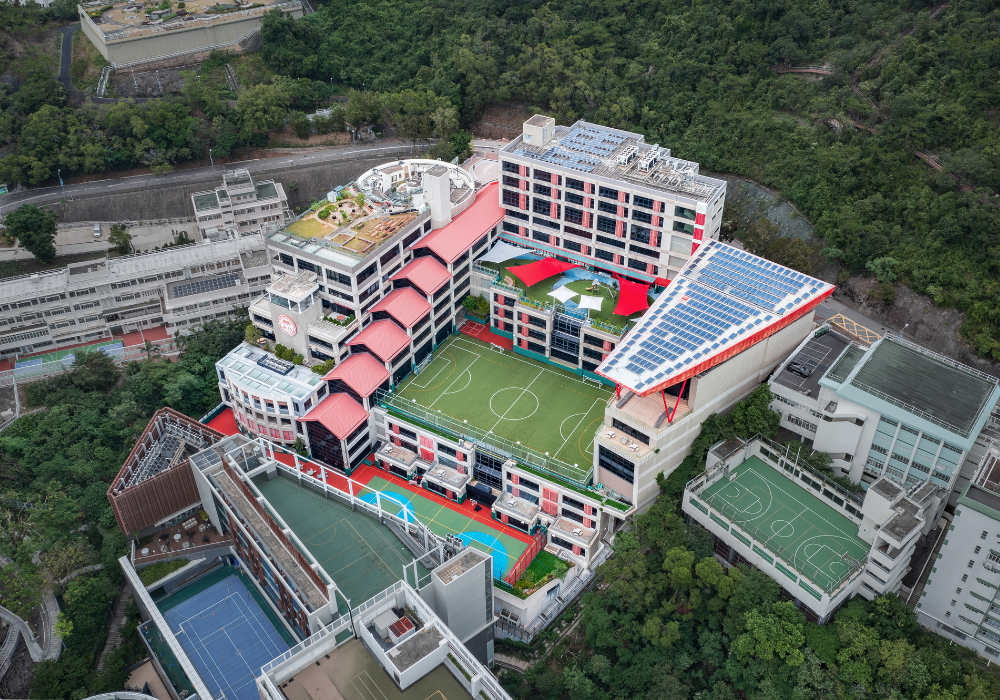
7. What is your favorite place on campus? Considering the diverse facilities available, what draws you to that spot? Do you prefer the energetic atmosphere of the sports facilities, the creative spaces in the arts centre, or perhaps the tranquility of the library or the Green Roof Garden?
Anyone who knows me understands that my favorite spot is our cafeterias—I genuinely enjoy lunchtime! During the pandemic, I collaborated with our head of school to enhance the quality and variety of our food services, ensuring we provide nutritious meals appealing to adolescents. We also renovated these spaces into brighter, more comfortable areas for students to dine. I enjoy being in the cafeterias to mingle with students during lunch. I supervise grade 6 lunches daily, which allows me to gauge their mood and identify any signs of distress. This visibility helps build trust and makes it more likely for them to seek my help in the future.
8. Congratulations on receiving the Ritzy Education Awards 25-26 Principal of the Year – Secondary award! What does this recognition mean to you personally, and how do you think it reflects the efforts of your entire school community?